































Business insurance

Convenience Store Insurance

Convenience store insurance should reflect more than the value of the shelving and till. Long opening hours, refrigerated stock, cash handling, prepared food and delivery services can change the protection a store needs. Start with a clear description of the products sold and the activities on the premises.

20%
What could a lower premium mean for you?Illustrative example: $2,400 → $1,920 per year is $480 less. Not an available offer. Try your own numbers →
Your next step starts hereNo obligation to buy

Choose your insurance type and continue to the contact options. This step does not submit an application.

Insurance Genie wearing a tailored business vest
Prepare. Compare. Ask.Start with your actual requirements
Details make the difference.Review the proposed wording
Live examples
CRM examples will appear here once the feed is connected.

From Insurance Genie

Recent business insurance purchases

Explore recent policy purchases shared through our participating insurance professionals.

Recent policies will appear here when the Insurance Genie CRM feed is connected.

A practical comparison guide

Separate stock, equipment and income

Make an inventory of refrigerators, freezers, point-of-sale equipment, tenant improvements and peak stock values. Explain whether you own the building or lease the space. Ask what evidence is needed for spoiled stock and whether equipment failure and utility interruption are addressed. A property limit alone does not answer these questions.

Convenience Store Insurance planning illustration

Questions to bring to the discussion

Review premises and product liability, crime, equipment breakdown and business interruption. Disclose tobacco, vaping products, alcohol, lottery services, hot food and any fuel sales. Ask how money away from the premises and deliveries are treated. Compare deductibles and waiting periods as well as the annual premium.

Prepare these details

  • Product and service list, including restricted goods
  • Opening hours, alarms, cameras and cash controls
  • Peak inventory and refrigeration values
  • Lease and building insurance responsibilities
  • Sales records and business interruption assumptions

Use current documents. If a detail is uncertain, identify it for the provider instead of guessing.

Your questions, answered

Does store insurance automatically pay for all spoiled food?

No. Ask which causes of spoilage are insured, whether utility failure or equipment breakdown is included, and what limits, deductibles and maintenance conditions apply. Keep stock records and servicing documents so you can explain the exposure before buying.

What affects the terms I can obtain?

Terms depend on the facts supplied, the requested protection and the provider’s assessment. Compare the full annual cost, limits, deductibles and conditions. An illustration or general guide is not a personal quote or confirmation of coverage.

Bring the right details. Get a clearer answer.

Insurance Genie helps you prepare an insurance enquiry. A participating licensed professional must confirm availability and the terms of any proposal. For legal or contractual obligations, obtain advice from the appropriate qualified adviser.

Discuss my requirements →

Related guides

Further reading: Insurance Bureau of Canada guidance. Check the current document and your own policy or bond wording. This page is general information, not an issued policy or bond.

Be prepared

Claims scenarios: what happens next?

Hypothetical situations to help you prepare questions—not actual client claims or promises of coverage.

A shop employee assisting a customer after a slip

A customer alleges an injury

Scenario: Someone alleges an injury arose from the business operations.

What happens next: Preserve incident records and notify the insurer. Declared activities, liability wording and the facts determine whether a policy responds.
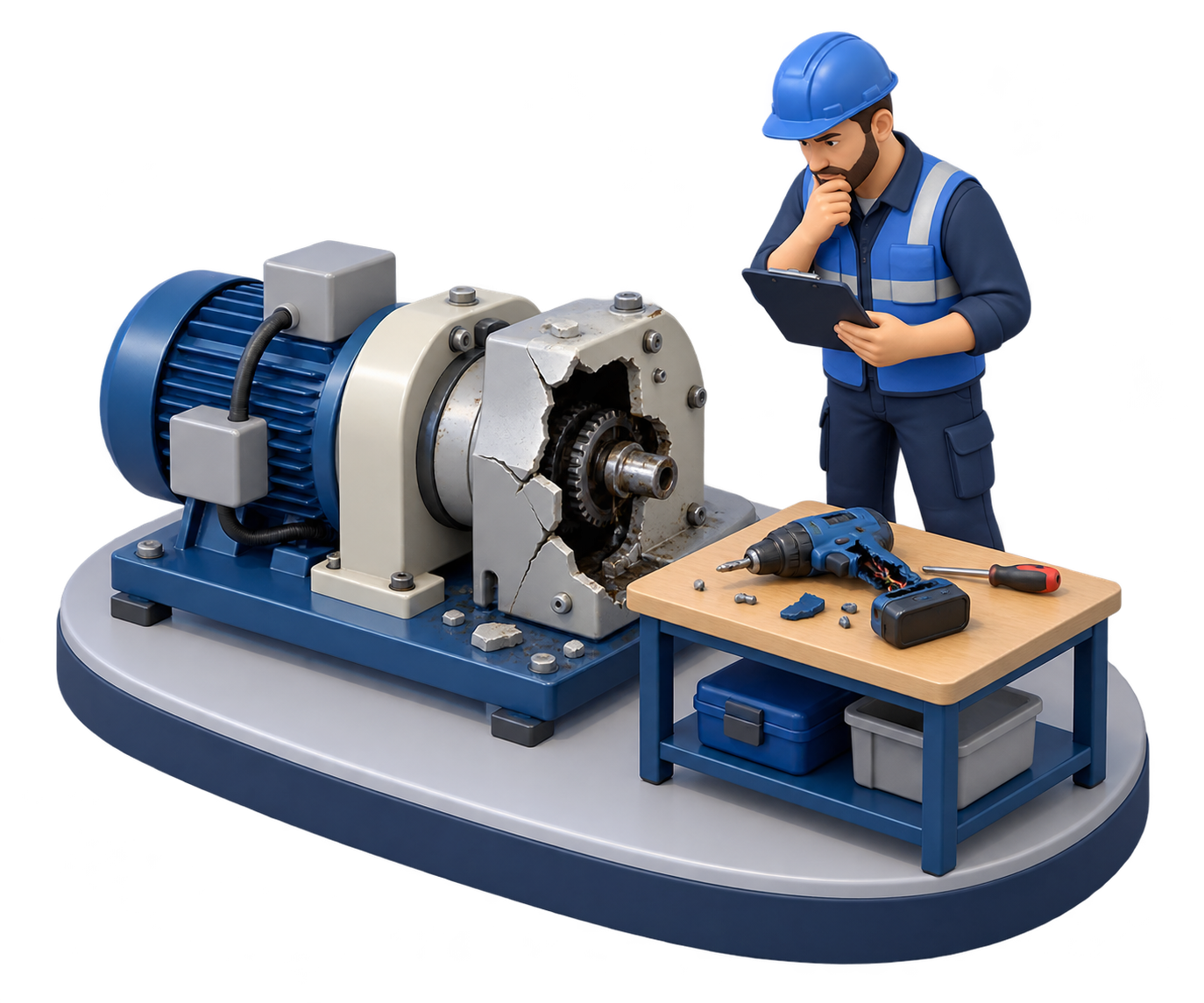

Illustration: equipment is damaged

Equipment is damaged

Scenario: Equipment used by the business is damaged or stolen.

What happens next: Document ownership, location and cause. Ask the insurer to review the insured property, exclusions, valuation and deductible.

Illustration: operations are interrupted

Operations are interrupted

Scenario: Damage prevents the business from operating normally.

What happens next: Keep revenue and expense records. Business interruption depends on the insured trigger, selected coverage and applicable terms.

Actual outcomes depend on the facts and applicable wording. Read claims guidance · Ask about the next step