




























Preview any coverage

Make this coverage review specific to your business

Equipment failure should be distinguished from wear, maintenance and other causes.

Prepare these details

Equipment ages, values, inspections and replacement lead times.

Ask before accepting a proposal

What constitutes a covered breakdown and which resulting losses are included?

Start my business enquiry →

Hypothetical situation

A critical machine fails and operations stop.

Ask which wording, conditions and notification requirements would apply. A scenario does not establish coverage or guarantee an outcome.

Home / Business Insurance / Knowledge base / Equipment Breakdown
Property & income

Equipment Breakdown (EB)

Covers sudden and accidental breakdown of mechanical, electrical and pressure equipment, and the loss that follows.

20%
What could a lower premium mean for you?Illustrative example: $2,400 → $1,920 per year is $480 less. Not an available offer. Try your own numbers →
Your next step starts hereNo obligation to buy

Choose your insurance type and continue to the contact options. This step does not submit an application.

Insurance Genie wearing a work cap and reflective logistics vest
Keep critical equipment in view.List the systems your business relies on
A breakdown is not every loss.Review covered events and exclusions
Live examples
CRM examples will appear here once the feed is connected.

From Insurance Genie

Recent business insurance purchases

Explore recent policy purchases shared through our participating insurance professionals.

Recent policies will appear here when the Insurance Genie CRM feed is connected.

Who needs it

Anyone with HVAC, refrigeration, production equipment, elevators, transformers or a commercial kitchen.

Illustration of commercial buildings beside a blue protection shield

What it does not cover

It is not a maintenance contract. Deterioration, corrosion, erosion and wear are excluded — the loss must be sudden and accidental.

Canadian wording

Where the Canadian form differs.

The name changed from boiler and machinery decades ago and the old term persists in Canadian contracts and CCDC documents. Both terms should resolve to one page.

Also calledBoiler and machinery, B&M, machinery breakdown — the legacy name is still used

At a glance

Canonical nameEquipment Breakdown
AbbreviationEB
How it is boughtPackage section or standalone
CategoryProperty & income
Typical limitsRange only, with the basis stated — Canada publishes no commercial tariff

Limits are written to the exposure and to what your contracts demand, not to a rule of thumb. Any page quoting a single “standard” limit for a class of business is quoting one broker’s habit.

Know what you need. Now get it priced.

One request, and someone licensed to place this coverage picks it up.

Is this the wording my policy actually uses?
Not necessarily. Canada has no single mandated commercial wording the way the US has ISO. The IBC form is the reference; many Canadian insurers write their own manuscript wordings derived from a mix of IBC and ISO. Where we describe the IBC form we say so, and the only authority on your coverage is your own policy document.
How much does this cost?
We publish ranges with the basis stated, never a single figure. Commercial premiums are driven by class, revenue, payroll, claims history, limits and the market cycle. A page quoting one number for a whole class of business is quoting a habit, not a market.
My contract demands this. How fast can I get it?
For most standard coverages, same day to a few days. Bonds and specialty lines take longer because they are underwritten individually. If you have a deadline, say so at the start of the request rather than at the end.
Does Insurance Genie sell this?
No. InsuranceGenie.ca is not a brokerage or an insurer. We explain the coverage and connect you with an appropriately licensed organization that can quote and place it, and we name them before your details are shared.

Be prepared

Claims scenarios: what happens next?

Hypothetical situations to help you prepare questions—not actual client claims or promises of coverage.

A shop employee assisting a customer after a slip

A customer alleges an injury

Scenario: Someone alleges an injury arose from the business operations.

What happens next: Preserve incident records and notify the insurer. Declared activities, liability wording and the facts determine whether a policy responds.
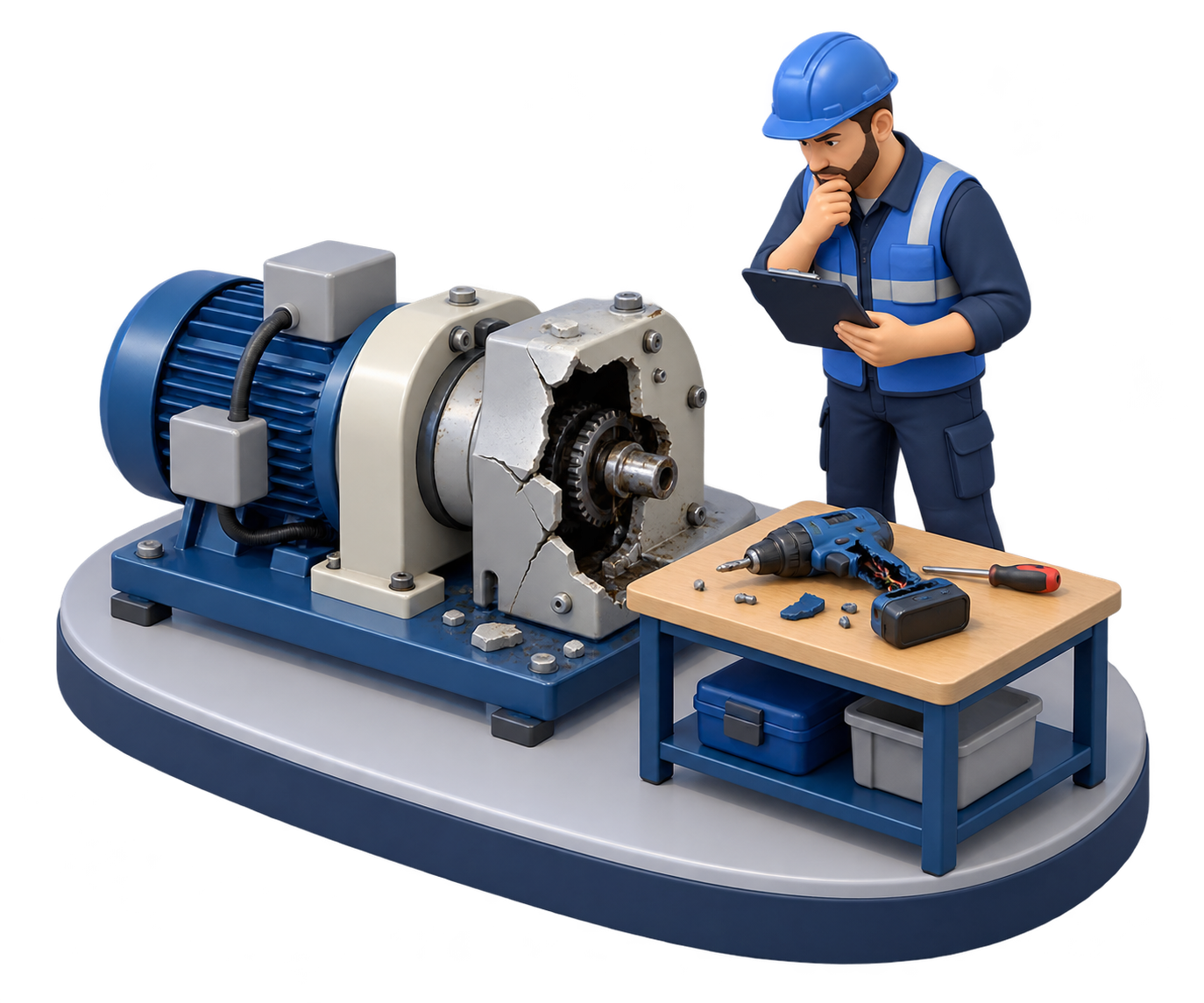

Illustration: equipment is damaged

Equipment is damaged

Scenario: Equipment used by the business is damaged or stolen.

What happens next: Document ownership, location and cause. Ask the insurer to review the insured property, exclusions, valuation and deductible.

Illustration: operations are interrupted

Operations are interrupted

Scenario: Damage prevents the business from operating normally.

What happens next: Keep revenue and expense records. Business interruption depends on the insured trigger, selected coverage and applicable terms.

Actual outcomes depend on the facts and applicable wording. Read claims guidance · Ask about the next step