
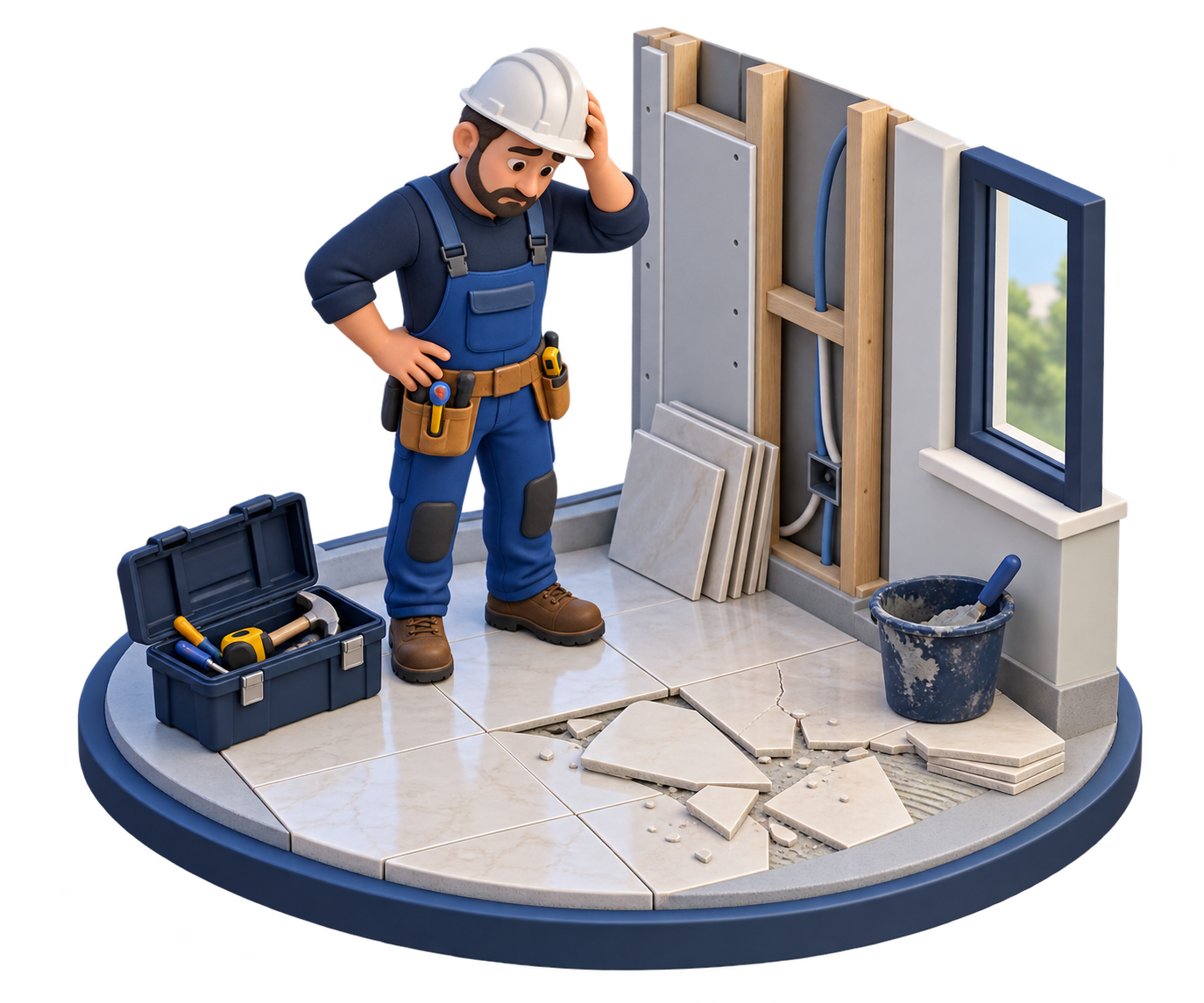
Damage at a job site
Scenario: Work accidentally damages a client’s property.
What happens next: Preserve the contract and incident records. The insurer reviews the activity, damaged property and relevant exclusions.
The document stack a general contractor will ask for before you can start, and the order to get it in.

 A.M. Fredericks UnderwritingABEX o/b Affiliated Broker Exchange
 Allianz Global RisksAmbri AssuranceApril Canada Inc.April MarineArthur J. Gallagher & Co
 AVRO Insurance ManagersBeazley Canada LimitedBerkley Insurance CompanyBlueCross BlueShield
 Burns & Wilcox CanadaCAA InsuranceCAN - Continental Insurance
 Cansure Underwriting LtdCaradoc Townsend MutualChes Special Risk Inc.Chubb InsuranceChutter Underwriting Services
 Core Underwriting ServicesDefinityDesjardins Financial Security Investments Inc.
 Dominion of Canada/Travelers/Travelers EssentialEagle Underwriting Group Inc.Echelon


 Excess Underwriting Corp.Facility Association
 Forward InsuranceGlobal Aerospace Underwriting
 Great-West LifeGroupAssureGroupOne Insurance
 HDI Global Specialty SE
 IA Excellence Life Insurance
 INGLE International
 Intact Public Entities
 La CapitaleLiberty International CanadaLynx Insurance UnderwritersMarkel
 NorthbridgeOld Republic
 Optiom
 PAL Insurance Brokers Canada
 Premier Canada AssurancePremier MarinePremium Marine
 Revolution Advanced Underwriting
 SignalSignature Risks
 South Western GroupSovereign GeneralSpecial Risk InsuranceSports & Fitness InsuranceSSQ AssuranceStarr Technical RisksStrategic UnderwritingSummit Underwriting Group Inc.The Boiler Inspection and Indemnity Company (BI&I)
 The Totten Insurance GroupTrans Canada
 TravelersTrinity Underwriting
 Unique Risks
 Victor Insurance
From Insurance Genie
Explore recent policy purchases shared through our participating insurance professionals.
Recent policies will appear here when the Insurance Genie CRM feed is connected.
One sentence. What the clause or demand means and whether you are likely to already have it.
The clause quoted, then translated. Canadian form references where they exist.
The consequence, concretely. This is the block that makes the page useful rather than encyclopaedic.
Range with the basis, and a realistic turnaround. Deadline-driven readers need both.
Copy-ready text to send a broker. The highest-utility block on the page.
FAQ, marked up, written to the phrasings people actually type.
Primary query: do i need insurance to work as a subcontractor. The winning pattern on this axis is second-person situation framing in the H1 — not the coverage noun. Where Canadian pages have used that framing they rank; the open gaps are precisely the topics where nobody in Canada has applied it yet.

Served, but beatable.
Canadian pages exist, but they are written by adjacent industries — construction software, HR consultancies, payroll blogs — rather than by anyone who can actually place the coverage.
Tell us the deadline at the start. Someone licensed picks it up from there.

Be prepared
Hypothetical situations to help you prepare questions—not actual client claims or promises of coverage.
Scenario: Work accidentally damages a client’s property.
What happens next: Preserve the contract and incident records. The insurer reviews the activity, damaged property and relevant exclusions.
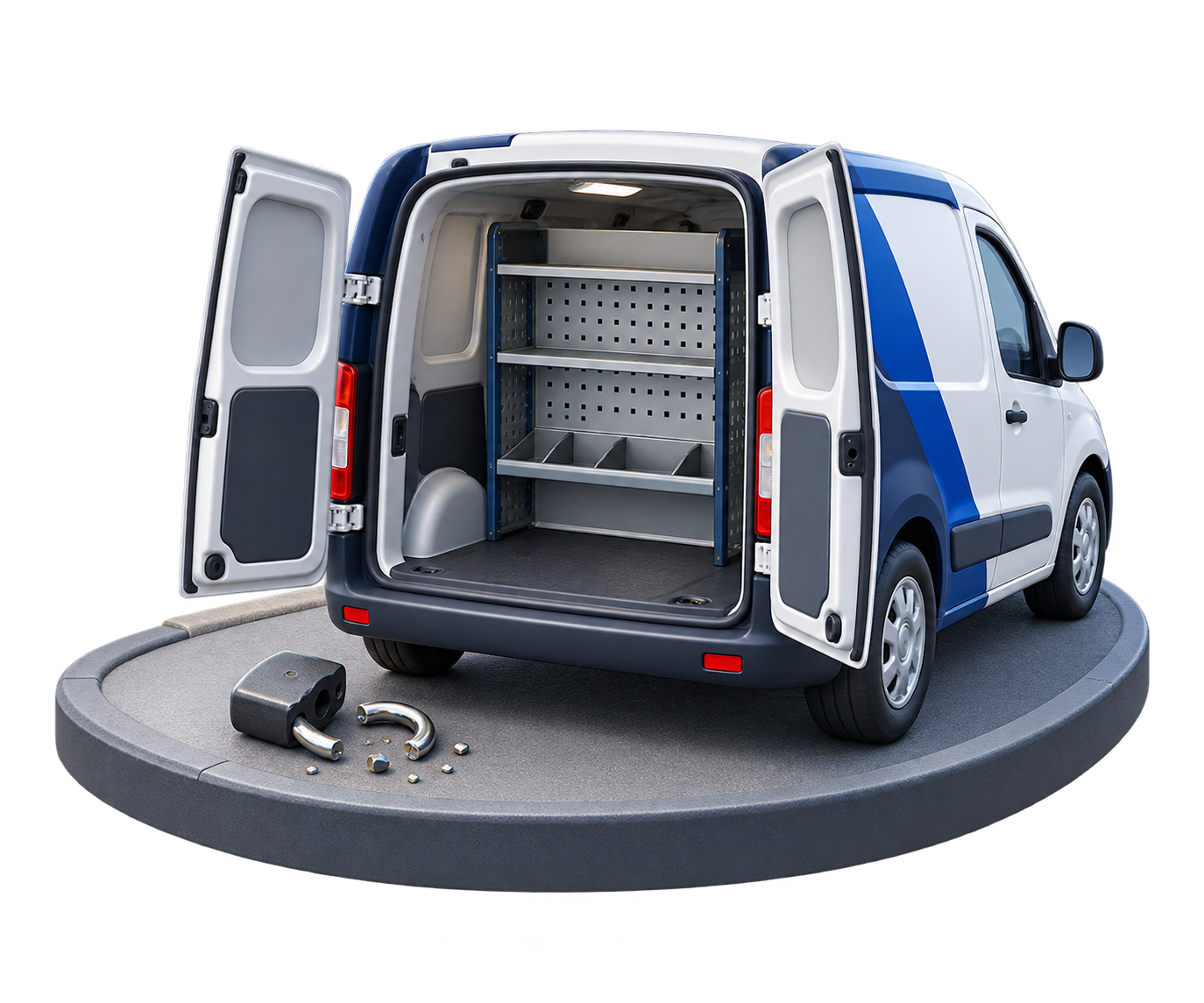
Scenario: Tools disappear from a work vehicle overnight.
What happens next: Provide an inventory and theft report. Vehicle storage conditions, tool limits and deductibles may affect the assessment.
Scenario: A customer alleges completed work caused later damage.
What happens next: Report when the work and damage occurred. Completed-operations wording and exclusions need review.
Actual outcomes depend on the facts and applicable wording. Read claims guidance · Ask about the next step

Hi, I’m Genie. I can explain how this website works, help you find a page, or point you to a person. I can’t answer coverage questions or give insurance advice.