
Working from home insurance
An employee working remotely and a business owner serving clients from home may have different needs. Explain who owns the equipment, the work performed and whether customers or staff visit.
Home business insurance should address equipment, stock and customers as well as the home itself. A home policy may provide only limited cover for business equipment, so disclose the activity to the insurer.

 A.M. Fredericks UnderwritingABEX o/b Affiliated Broker Exchange
 Allianz Global RisksAmbri AssuranceApril Canada Inc.April MarineArthur J. Gallagher & Co
 AVRO Insurance ManagersBeazley Canada LimitedBerkley Insurance CompanyBlueCross BlueShield
 Burns & Wilcox CanadaCAA InsuranceCAN - Continental Insurance
 Cansure Underwriting LtdCaradoc Townsend MutualChes Special Risk Inc.Chubb InsuranceChutter Underwriting Services
 Core Underwriting ServicesDefinityDesjardins Financial Security Investments Inc.
 Dominion of Canada/Travelers/Travelers EssentialEagle Underwriting Group Inc.Echelon


 Excess Underwriting Corp.Facility Association
 Forward InsuranceGlobal Aerospace Underwriting
 Great-West LifeGroupAssureGroupOne Insurance
 HDI Global Specialty SE
 IA Excellence Life Insurance
 INGLE International
 Intact Public Entities
 La CapitaleLiberty International CanadaLynx Insurance UnderwritersMarkel
 NorthbridgeOld Republic
 Optiom
 PAL Insurance Brokers Canada
 Premier Canada AssurancePremier MarinePremium Marine
 Revolution Advanced Underwriting
 SignalSignature Risks
 South Western GroupSovereign GeneralSpecial Risk InsuranceSports & Fitness InsuranceSSQ AssuranceStarr Technical RisksStrategic UnderwritingSummit Underwriting Group Inc.The Boiler Inspection and Indemnity Company (BI&I)
 The Totten Insurance GroupTrans Canada
 TravelersTrinity Underwriting
 Unique Risks
 Victor Insurance
From Insurance Genie
Explore recent policy purchases shared through our participating insurance professionals.
Recent policies will appear here when the Insurance Genie CRM feed is connected.
Insurance Genie is an insurance request platform, not an insurer or insurance brokerage. Requests may be connected with participating licensed partners. Availability depends on your location, needs and partner eligibility. A request is not a quote or confirmation of coverage.

Tell your broker how you use your home for work. Explore the guide and prepare questions about your business activities, equipment and visitors.
Explore home business coverage →Use these topics to frame a discussion with the licensed professional handling your request. They are questions to review, not a promise that every item is included in a policy.
Describe the full activity, including work away from the main premises and any secondary services. An incomplete description can make two proposals look comparable when they are based on different information.
Ask for the named insured, business description, covered locations, policy limits, deductibles and key exclusions. Check how defence costs, property valuation and any required endorsements are treated. A policy title alone does not tell you what an individual claim would receive.
If a landlord, lender, marketplace or customer has supplied insurance conditions, provide the actual document. Ask the licensed professional to identify requirements the proposed policy does and does not satisfy. A certificate is evidence of stated coverage; it should not be treated as a rewrite of the policy.
The price depends on the business activity, scale, location, claims history and selected protections. Request a review using your own facts instead of treating a generic industry range as a quote.
Insurance Genie connects requests with participating licensed partners. Products, territories and eligibility vary. Confirm who is handling your request and when any offered coverage would take effect.
Your questions, answered
Home based business insurance starts by separating personal property and household risks from the activity of the business.
An employee working remotely and a business owner serving clients from home may have different needs. Explain who owns the equipment, the work performed and whether customers or staff visit.
Insurance for business at home should describe advice, services, products and visitors. General liability, professional liability and product liability are different discussions; a home address does not make the exposures the same.
Business from home insurance needs equipment, inventory, outbuildings and deliveries to be explained. Ask what the home policy permits and whether an endorsement or separate commercial policy is appropriate.
Online retailer insurance and e-commerce insurance enquiries should include products, suppliers, stock, destinations and marketplaces. The need for business cover does not disappear because customers never visit the house.
It depends on the actual endorsement or policy. Ask about property, business interruption, customer injuries, professional services, products and any business vehicle use. Have exclusions, limits and deductibles explained for the declared activity.
Prepare the work description, revenue, customers, visitors, employees, stock and equipment values. For home based business insurance in Ontario, identify the actual property and business locations and send relevant customer or lease requirements.
No. Insurance for small business activities and insurance for the home protect different interests. Discuss both together so the provider can identify restrictions or gaps where the business and household overlap.
Ask whether a suitable endorsement or coordinated proposal is available, and compare the combined annual cost without removing needed cover. Confirm the business activity is disclosed and that the lower price uses the same coverage assumptions.
It may not be. Ask about the limits and exclusions for business use and whether an endorsement or a separate commercial policy is appropriate.
Prepare the activity description, current insurance, recent claims details and any contract requirements. Include the business-specific information listed on this page so the licensed partner can ask relevant follow-up questions.
No. A request is not a binder, policy or confirmation of coverage. The organization arranging insurance must confirm acceptance, terms and the effective date.
Running a business at home can raise questions that an ordinary household inventory does not capture. List stock, computers, specialist equipment, client visits and deliveries. Ask how the proposed arrangements distinguish personal belongings from business property, and household liability from allegations connected with your work. Describe any employees, off-site work and use of a garage or outbuilding.
A useful comparison also asks about customer data, professional services and goods in transit where relevant. Give the licensed professional both the home policy and the proposed business wording so they can identify gaps or overlaps. Do not assume a policy label settles how a particular activity is treated.
To explore home business insurance savings, describe the space and activities you actually use, with current equipment and stock values. Ask whether an available home policy extension or a separate business policy better matches those facts. Compare scope and limitations before comparing the price. Keep any deductible affordable and avoid removing existing protection until the replacement arrangement has been checked and confirmed.
Hypothetical example: a home-based designer begins storing merchandise and welcoming customers for collection. Their next insurance discussion should include the inventory, visitors and any shipping activity, alongside the original design work. Updating the business description helps the professional ask relevant questions. This scenario is illustrative and does not confirm that either the home or business policy would respond.
This page is general information. Ask the licensed professional handling your request to explain the proposed wording, limits, deductibles and exclusions. Coverage must be confirmed by the organization arranging it.
Background reading: Consumer insurance coverage guidance. Content updated September 9, 2026; coverage and availability remain subject to confirmation.
Contact us to discuss provider availability and the details needed for a useful conversation.
Explore my optionsDescribe the work, business equipment, stock, deliveries, customer visits and professional services. A home office, home bakery or online store creates different exposures. Ask whether the homeowner's wording permits the activity and whether separate business property, liability, professional, cyber or transit protection is needed. A sole proprietor or freelancer should compare the same declared operations and limits; there is no universal best home-based business policy or provider for every enterprise.
Requirements depend on the activity, location and contracts. Check any legally required cover and obligations from landlords, clients, lenders or licensing bodies. Choosing to retain a risk yourself does not remove those obligations or reduce the size of a possible loss. Ask a qualified adviser to identify the exposures the business can realistically fund and those needing insurance. A home-care agency, health service or employee benefits plan needs a distinct specialist review.
Before you compare
Home-based business insurance should describe the work happening at the address. Home insurance with a home business can involve questions about inventory, visitors, equipment, professional services and product sales. Explain the activity before relying on either policy.
Explain what you sell or do, where you work, revenue, equipment, stock and customer visits. Mention employees, deliveries, food preparation or online sales. Ask the home insurer and commercial professional how the activities affect their respective proposals.
The answer depends on the wording and the work. Ask which liability exposures are considered and which need separate insurance. A home office, online retailer and home bakery should each describe their own operations rather than rely on a general small-business label.
Start with the business activities and province, then explain that the work happens at home. Describe customers visiting, equipment, stock, products and professional services. Ask which questions belong with your home insurer and which require a commercial policy. The business being small or home-based does not establish what an existing policy covers.
Be prepared
Hypothetical situations to help you prepare questions—not actual client claims or promises of coverage.
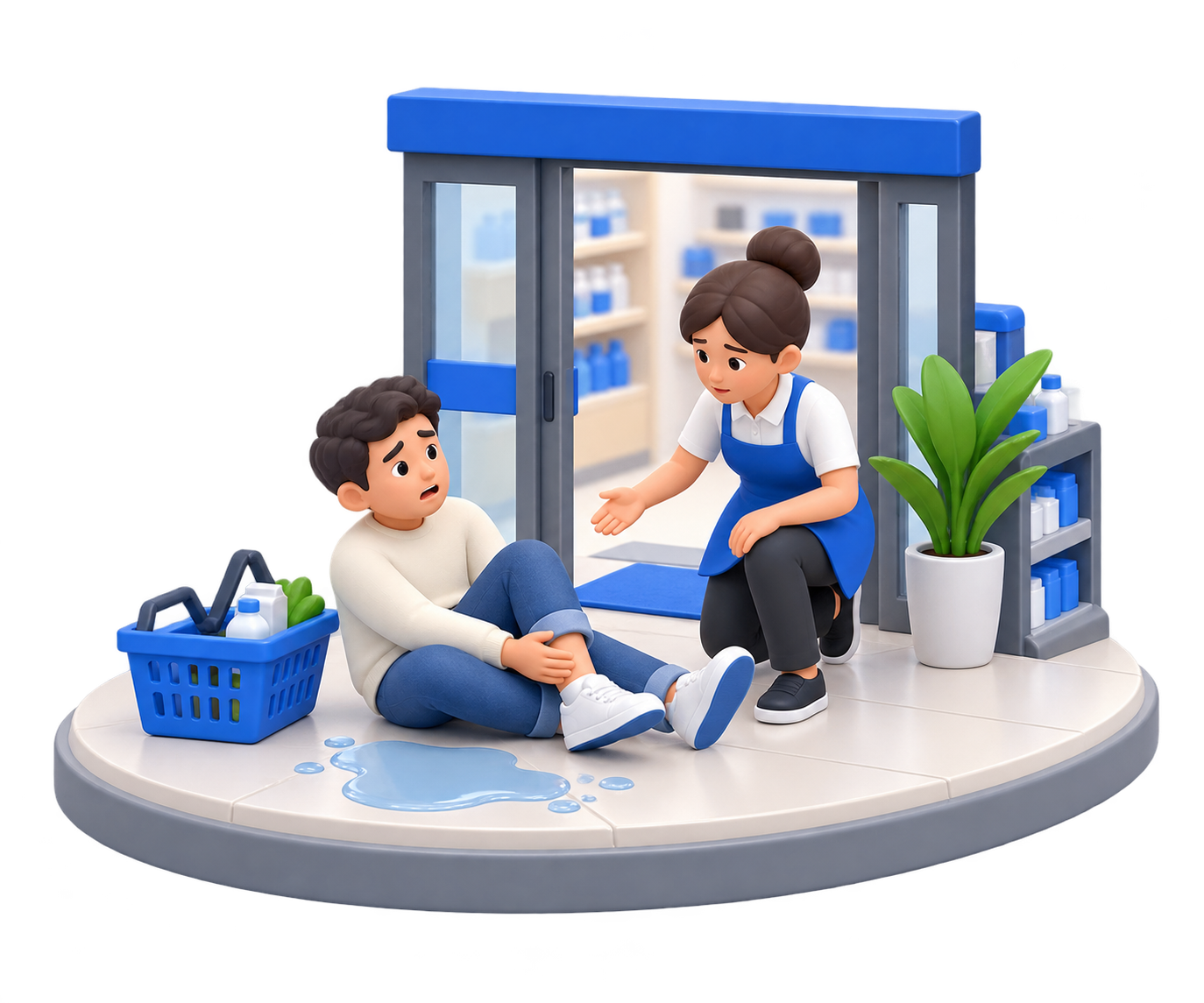
Scenario: Someone alleges an injury arose from the business operations.
What happens next: Preserve incident records and notify the insurer. Declared activities, liability wording and the facts determine whether a policy responds.

Scenario: Equipment used by the business is damaged or stolen.
What happens next: Document ownership, location and cause. Ask the insurer to review the insured property, exclusions, valuation and deductible.

Scenario: Damage prevents the business from operating normally.
What happens next: Keep revenue and expense records. Business interruption depends on the insured trigger, selected coverage and applicable terms.
Actual outcomes depend on the facts and applicable wording. Read claims guidance · Ask about the next step

Hi, I’m Genie. I can explain how this website works, help you find a page, or point you to a person. I can’t answer coverage questions or give insurance advice.