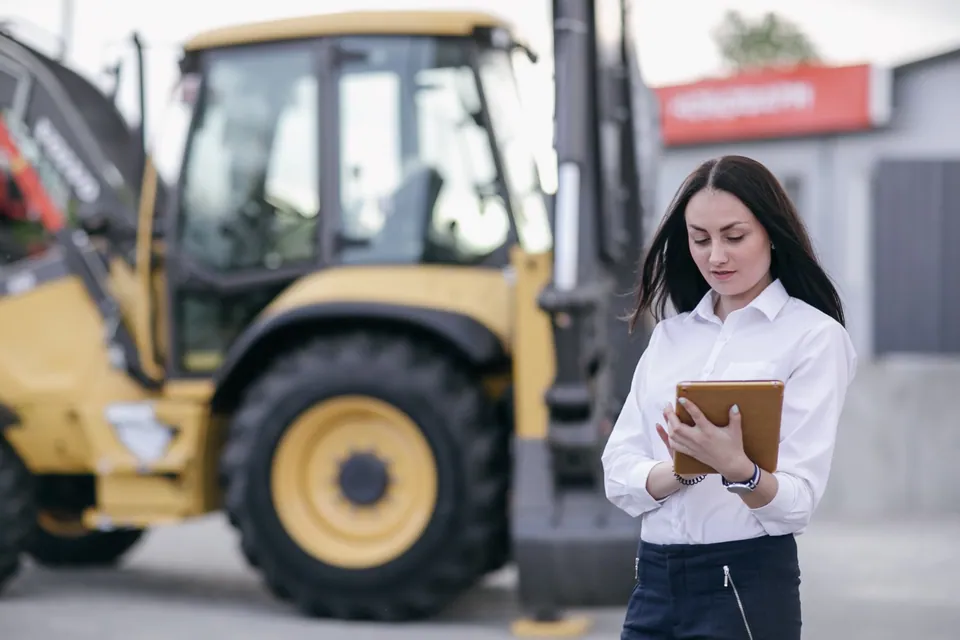
Heavy equipment is essential to the success of many construction, contracting, landscaping, excavation, and other commercial operations. From excavators and bulldozers to loaders, cranes, and skid steers, these machines represent a major investment. When equipment is damaged, stolen, or involved in an accident, the financial consequences can be significant.
That is where heavy equipment insurance can help. The right coverage can protect your valuable machinery and help your business recover from unexpected losses. For contractors and construction businesses, heavy equipment coverage may also be an important part of a broader insurance strategy that addresses liability, property, vehicles, and other operational risks.
What Is Heavy Equipment Insurance?
Heavy equipment insurance generally refers to insurance coverage designed to protect expensive machinery and equipment used in commercial operations. Depending on the policy and insurer, coverage may help protect equipment against risks such as theft, fire, vandalism, accidental damage, and certain other covered losses.
Businesses that own or use equipment such as the following may need to consider their insurance options:
- Excavators
- Bulldozers
- Backhoes
- Loaders
- Cranes
- Skid steers
- Trenchers
- Graders
- Forklifts
- Other specialized construction equipment
Because every business has different equipment, projects, and risk exposures, it is important to review the specific terms, limits, exclusions, and conditions of any policy.
What Does Heavy Equipment Insurance Cover?
The exact coverage available depends on the policy you choose. However, heavy equipment insurance may include protection for several common risks.
1. Theft and Vandalism
Construction equipment can be an attractive target for theft, particularly when it is stored outdoors or left at a job site. Replacing stolen machinery can create a substantial financial burden and may delay ongoing projects.
Depending on your policy, insurance may help cover a covered loss resulting from theft or vandalism. Businesses should carefully review policy conditions, including security requirements and exclusions.
2. Accidental Physical Damage
Heavy equipment is exposed to demanding working conditions. Accidents can happen during transportation, loading, unloading, or operation.
Coverage for physical damage may help protect your equipment when it is damaged by a covered incident. The scope of protection can vary, so it is important to understand what events are included in your policy.
3. Fire and Other Covered Perils
A fire can cause extensive damage to expensive machinery and may take equipment out of service for a significant period. Depending on the coverage selected, a policy may also address other specified or covered causes of loss.
Reviewing the policy wording is essential because not every type of damage is automatically covered.
4. Equipment in Transit
Contractors frequently move equipment between job sites. This creates additional risks while machinery is being transported.
If your business regularly moves excavators, loaders, or other equipment, ask your insurance professional whether your coverage extends to equipment while it is in transit and what conditions apply.
5. Rental or Leased Equipment
Businesses do not always own every piece of equipment they use. If you rent or lease machinery, you may have contractual responsibilities for damage or loss.
Before signing a rental agreement, review the insurance requirements carefully. You may need additional coverage or endorsements to address your responsibilities for rented equipment.
Why Do You Need Heavy Equipment Insurance?
A single major loss can put significant pressure on a business. Heavy equipment can cost thousands, or substantially more, to repair or replace. Beyond the direct cost of the machine itself, a loss can interrupt operations, delay projects, and affect your ability to meet contractual obligations.
Heavy equipment insurance can be an important part of your overall risk-management strategy because it may help you:
- Protect a major business investment
- Reduce the financial impact of covered losses
- Keep projects moving after an unexpected incident
- Address insurance requirements in contracts or financing agreements
- Protect equipment at job sites, storage locations, or during transportation
- Support business continuity
For contractors, equipment protection is only one piece of the insurance puzzle. You may also need to consider liability, commercial property, commercial auto, builders risk, professional liability, and other coverage depending on your operations.
To explore broader protection for your construction business, visit Insurance Genie. Insurance Genie connects customers with licensed insurance brokers and offers options for home, auto, and business insurance. Its business insurance services are designed to help businesses explore coverage suited to their individual needs.
How Much Does Heavy Equipment Insurance Cost?
There is no single price for heavy equipment insurance. Your premium will depend on several factors, including your equipment, operations, coverage needs, and risk profile.
Equipment Value
More expensive equipment generally requires higher limits of insurance. The value of the machinery you want to protect can be a major factor in determining your premium.
Type of Equipment
Different types of machinery present different levels of risk. For example, a large crane may have a very different insurance profile than a skid steer or compact loader.
Coverage Limits and Deductibles
Higher coverage limits and broader protection may increase the premium. Your deductible can also affect the cost of your policy.
It is important to balance the premium you pay with the amount of financial risk your business can reasonably absorb if a loss occurs.
How and Where the Equipment Is Used
Insurers may consider factors such as:
- The type of work you perform
- Where projects are located
- How frequently equipment is used
- Whether machinery travels between multiple job sites
- Storage and security practices
- The overall risk associated with your operations
Claims History
A history of frequent or severe claims may affect insurance costs. On the other hand, strong safety procedures and effective risk-management practices may help demonstrate that your business actively manages potential hazards.
Insurance Genie notes that the cost of contractor insurance can be influenced by factors such as the type and level of coverage, business size and operations, claims history, and the risks associated with the specific work performed.
Heavy Equipment Insurance vs. General Liability Insurance
Heavy equipment insurance and general liability insurance serve different purposes.
Heavy equipment coverage is generally focused on protecting machinery and equipment against covered physical losses.
General liability insurance, on the other hand, is designed to address certain third-party claims involving bodily injury, property damage, or other covered liability exposures arising from your business operations.
For example, if an excavator is damaged in a covered incident, equipment coverage may be relevant. If your business is held responsible for damaging a third party's property, general liability coverage may be relevant, subject to the policy terms and circumstances.
Because construction businesses often face multiple types of risks, relying on only one type of insurance may leave important exposures unaddressed.
Insurance Options for Contractors
Contractors face risks that go beyond the equipment they own. Employees, customers, job sites, vehicles, tools, materials, and professional services can all create potential insurance exposures.
That is why it can be helpful to work with an insurance professional who understands the construction industry.
Contractor Insurance from Insurance Genie can help construction businesses explore insurance options tailored to their operations. The page discusses coverage considerations including general liability, commercial property, builders risk, commercial auto, umbrella insurance, and professional liability, with coverage needs varying based on the business and policy selected.
Insurance Genie also emphasizes a personalized approach to construction insurance, helping contractors compare coverage options and pricing based on their specific operations and risks.
How to Choose the Right Heavy Equipment Insurance
Choosing coverage should involve more than simply selecting the lowest premium. Consider the following steps when reviewing your options.
Make an Equipment Inventory
Create a detailed list of the equipment your business owns or regularly uses. Include information such as:
- Equipment type
- Make and model
- Serial number
- Purchase price or current value
- Location where the equipment is normally stored
- Whether the equipment is owned, financed, leased, or rented
Keeping accurate records can make it easier to evaluate your insurance needs.
Understand Your Risks
Consider the risks your equipment faces every day. Is it frequently transported? Left overnight at job sites? Used in high-risk environments? Exposed to theft or weather?
Understanding these risks can help you identify the coverage that may be most relevant to your business.
Review Coverage Limits
Make sure the limits you choose are appropriate for the value of the equipment and your potential exposure. Being underinsured could leave your business responsible for a significant portion of a loss.
Ask About Exclusions
Every policy has conditions and exclusions. Ask what is not covered and under what circumstances coverage may be limited.
This is especially important for issues such as mechanical breakdown, wear and tear, improper maintenance, or other situations that may not be covered under a standard policy.
Compare Your Options
Comparing coverage can help you look beyond the price alone. Review the available limits, deductibles, exclusions, and policy terms to determine which option best suits your business.
Insurance Genie states that it helps customers compare rates and business insurance options and connect with licensed insurance brokers. For contractors, its specialized insurance page focuses on helping construction businesses explore coverage based on their unique risks and operations.
Heavy equipment is often one of the most valuable assets a contractor or construction business owns. A theft, accident, fire, or other covered loss can create substantial expenses and disrupt your ability to operate.
Heavy equipment insurance can help protect your investment, but the right solution depends on the equipment you use, the work you perform, your business size, and the risks you face. It is also important to look at equipment protection as part of a complete insurance strategy.
If you are looking for insurance options for your construction or contracting business, Insurance Genie can help you explore business insurance solutions and connect with licensed insurance professionals. For more information specifically focused on construction businesses, you can also explore Insurance Genie's Contractor Insurance options.Protect Your Equipment, Get a Free Quote Today
Frequently Asked Questions
1. What is heavy equipment insurance?
Heavy equipment insurance helps protect valuable business machinery, such as excavators, bulldozers, loaders, cranes, and skid steers, against covered risks. Coverage can vary depending on the policy, insurer, equipment, and specific business needs.
2. What does heavy equipment insurance typically cover?
Depending on the policy, coverage may help protect against covered losses involving theft, fire, vandalism, accidental physical damage, and other specified risks. Always review the policy's terms, limits, deductibles, and exclusions to understand exactly what is covered.
3. How much does heavy equipment insurance cost?
The cost depends on factors such as the value and type of equipment, how and where it is used, coverage limits, deductible, claims history, and the overall risks associated with your business operations. Construction insurance costs can also be influenced by the size and complexity of your business and the type of coverage you select.
4. Do contractors need heavy equipment insurance?
Contractors who own, lease, rent, or regularly use expensive machinery should consider equipment-related insurance as part of their overall risk-management strategy. Their complete insurance needs may also include general liability, commercial property, commercial auto, builders risk, professional liability, and other coverage depending on their operations.
5. Does general liability insurance cover heavy equipment damage?
Not necessarily. General liability insurance is generally intended to address certain third-party liability claims, while coverage for damage to your own equipment may require separate property or equipment coverage. The exact protection depends on the policy wording and circumstances of the loss.
6. Is rented heavy equipment covered by insurance?
It depends on the insurance policy and rental agreement. Businesses may be responsible for loss or damage to rented or leased equipment, so it is important to review your contract and confirm what insurance is required before using the equipment.
7. Is heavy equipment covered while being transported?
Coverage during transportation depends on the policy. If you regularly move machinery between job sites, ask your insurance professional whether your policy includes coverage for equipment in transit and whether any special conditions or limits apply.
8. What types of heavy equipment can be insured?
Depending on the insurer and policy, coverage may be available for equipment such as excavators, bulldozers, backhoes, loaders, cranes, skid steers, graders, trenchers, forklifts, and other specialized machinery.
9. Does heavy equipment insurance cover equipment theft from a job site?
Theft may be covered if it is an insured cause of loss under your policy. However, coverage can depend on the circumstances, security requirements, deductibles, exclusions, and other policy conditions.
10. Does heavy equipment insurance cover mechanical breakdown?
Not always. Normal wear and tear, maintenance issues, mechanical failure, and electrical breakdown may be excluded from some equipment policies or may require separate equipment breakdown coverage. Review your policy carefully to identify any gaps.
11. How much coverage do I need for my heavy equipment?
The right amount depends on factors such as the value of your equipment, replacement costs, outstanding financing or lease obligations, and your business's financial exposure. An insurance professional can help you assess appropriate limits for your operations.
12. Can small construction businesses get heavy equipment insurance?
Yes. Small contractors and construction businesses can explore insurance options based on their equipment, operations, and risk profile. Insurance Genie offers business insurance solutions and helps construction contractors explore coverage tailored to their specific needs.
13. What other insurance should a contractor consider?
In addition to equipment protection, contractors may need to consider general liability, commercial property, commercial auto, builders risk, workers' compensation where applicable, umbrella liability, and professional liability. The right combination depends on the work performed and the specific risks of the business.
14. How can Insurance Genie help with contractor insurance?
Insurance Genie helps businesses explore insurance options based on their needs. For construction businesses, its Contractor Insurance page provides information about coverage considerations and helps contractors explore tailored insurance solutions for risks involving their operations, property, equipment, and potential liabilities.
15. How do I get a quote for heavy equipment or contractor insurance?
Start by preparing information about your business, including the type and value of your equipment, your operations, claims history, locations, and coverage requirements. You can then discuss your needs with an insurance professional and compare available options. Insurance Genie can help you explore business insurance options suited to your specific requirements.