































Business insurance

Sole Proprietors Insurance

Sole proprietor insurance is selected around the work performed, not simply the business structure. A self-employed consultant, tradesperson and retailer have different liability and property needs.

20%
What could a lower premium mean for you?Illustrative example: $2,400 → $1,920 per year is $480 less. Not an available offer. Try your own numbers →
Your next step starts hereNo obligation to buy

Choose your insurance type and continue to the contact options. This step does not submit an application.

Insurance Genie wearing a tailored business vest
One owner. A tailored discussion.Review what your business actually does
Separate the business risks.Ask about liability and business assets
Live examples
CRM examples will appear here once the feed is connected.

From Insurance Genie

Recent business insurance purchases

Explore recent policy purchases shared through our participating insurance professionals.

Recent policies will appear here when the Insurance Genie CRM feed is connected.

How Insurance Genie works

Insurance Genie is an insurance request platform, not an insurer or insurance brokerage. Requests may be connected with participating licensed partners. Availability depends on your location, needs and partner eligibility. A request is not a quote or confirmation of coverage.

Coverage questions for your business

Use these topics to frame a discussion with the licensed professional handling your request. They are questions to review, not a promise that every item is included in a policy.

Illustration of commercial buildings beside a blue protection shield
  • Public or commercial general liability
  • Professional advice and services
  • Business equipment
  • Use of a vehicle for business

Information to prepare for a useful request

  • Description of your work
  • Revenue and client locations
  • Equipment values
  • Client contract conditions

Describe the full activity, including work away from the main premises and any secondary services. An incomplete description can make two proposals look comparable when they are based on different information.

Compare the wording as well as the price

Ask for the named insured, business description, covered locations, policy limits, deductibles and key exclusions. Check how defence costs, property valuation and any required endorsements are treated. A policy title alone does not tell you what an individual claim would receive.

If a landlord, lender, marketplace or customer has supplied insurance conditions, provide the actual document. Ask the licensed professional to identify requirements the proposed policy does and does not satisfy. A certificate is evidence of stated coverage; it should not be treated as a rewrite of the policy.

Cost and availability

The price depends on the business activity, scale, location, claims history and selected protections. Request a review using your own facts instead of treating a generic industry range as a quote.

Insurance Genie connects requests with participating licensed partners. Products, territories and eligibility vary. Confirm who is handling your request and when any offered coverage would take effect.

Your questions, answered

Sole proprietor insurance for the work you do

Sole proprietorship insurance in Canada begins with the work, customers and property of the business.

Sole proprietorship liability insurance

General liability insurance for a sole proprietorship and professional liability insurance for a sole proprietorship answer different questions. Explain whether a claim could involve injury or property damage, or financial loss from your advice or service.

Business insurance for self-employed people

Insurance for a sole proprietorship business should include equipment, stock, customer locations and vehicle use when relevant. Business personal property insurance does not by itself address liability arising from the work.

Business insurance for a home-based sole proprietor

Describe business visitors, products, stock and work areas. Ask whether home-based activities fit a home endorsement or need a separate business policy; the home policy should not be assumed to cover them.

Does a sole proprietor need insurance?

Review the risks of the activity and any client, landlord or professional requirements with a licensed provider. A sole proprietor can discuss liability and property coverage even without employees; the right choice depends on the work rather than the business structure alone.

Can you get liability insurance as a sole proprietor?

Ask a participating licensed provider to review the declared activities. Sole proprietor liability insurance, self employed public liability insurance and professional liability enquiries should be matched to the actual work, limits and contract conditions.

What is the best insurance for sole proprietorship businesses?

There is no single best package for every self-employed person. Compare the activities insured, exclusions, limits, deductibles and price. A consultant, retailer and tradesperson may need very different proposals.

Questions before you request coverage

Which types of liability insurance should a sole proprietor compare?

Discuss general liability for injury or property damage and professional liability where advice or services could cause a client a financial loss. Coverage depends on the stated activities and wording.

What should I send with my insurance request?

Prepare the activity description, current insurance, recent claims details and any contract requirements. Include the business-specific information listed on this page so the licensed partner can ask relevant follow-up questions.

Does submitting a request mean my business is insured?

No. A request is not a binder, policy or confirmation of coverage. The organization arranging insurance must confirm acceptance, terms and the effective date.

Before making a decision

This page is general information. Ask the licensed professional handling your request to explain the proposed wording, limits, deductibles and exclusions. Coverage must be confirmed by the organization arranging it.

Background reading: Consumer insurance coverage guidance. Content updated September 9, 2026; coverage and availability remain subject to confirmation.

Ready to prepare your request?

Contact us to discuss provider availability and the details needed for a useful conversation.

Explore my options

Questions worth asking

Clear answers to help you compare coverage and prepare for a licensed insurance review.

Types of liability insurance for a sole proprietorship in Canada

A sole proprietor may need commercial general liability for covered injury or property-damage claims, professional liability for the services or advice provided, and other specialist protection for the actual work. Ask separately about product liability, cyber incidents and business vehicles. The business structure does not identify all the risks. Give the broker your contracts, revenue, activities and where you work, then review the limits and exclusions of each proposed coverage.

Make the details count

What does sole proprietorship mean for insurance and personal assets?

A sole proprietorship is an unincorporated business owned by one person, with no separate legal identity from its owner. That makes the business-risk discussion important, but insurance is not a substitute for legal or tax advice. CRA explains the structure and tax reporting. Personal liability, business liability and self-employed accident or disability cover address different risks. Discuss each against the work and income needs.

Before you compare

Sole proprietorship business insurance starts with your work

Business insurance for sole proprietorship operations should reflect the services, products, equipment and premises involved. The number of owners does not determine every insurance need. Sole proprietor insurance can involve a combination of liability, property and other coverage discussions.

Which types of liability insurance should a sole proprietor compare?

Describe whether you sell products, visit customer premises or provide advice. Discuss general liability for business operations and professional liability for professional services. Ask about the named insured and how the proposal applies to your business activities.

What should a sole proprietor in Canada include in an insurance enquiry?

Prepare your legal and trading names, work description, revenue, contracts, claims history and operating territory. If you work from home, explain visitors, stock and equipment to the home insurer as well as the commercial professional.

Be prepared

Claims scenarios: what happens next?

Hypothetical situations to help you prepare questions—not actual client claims or promises of coverage.

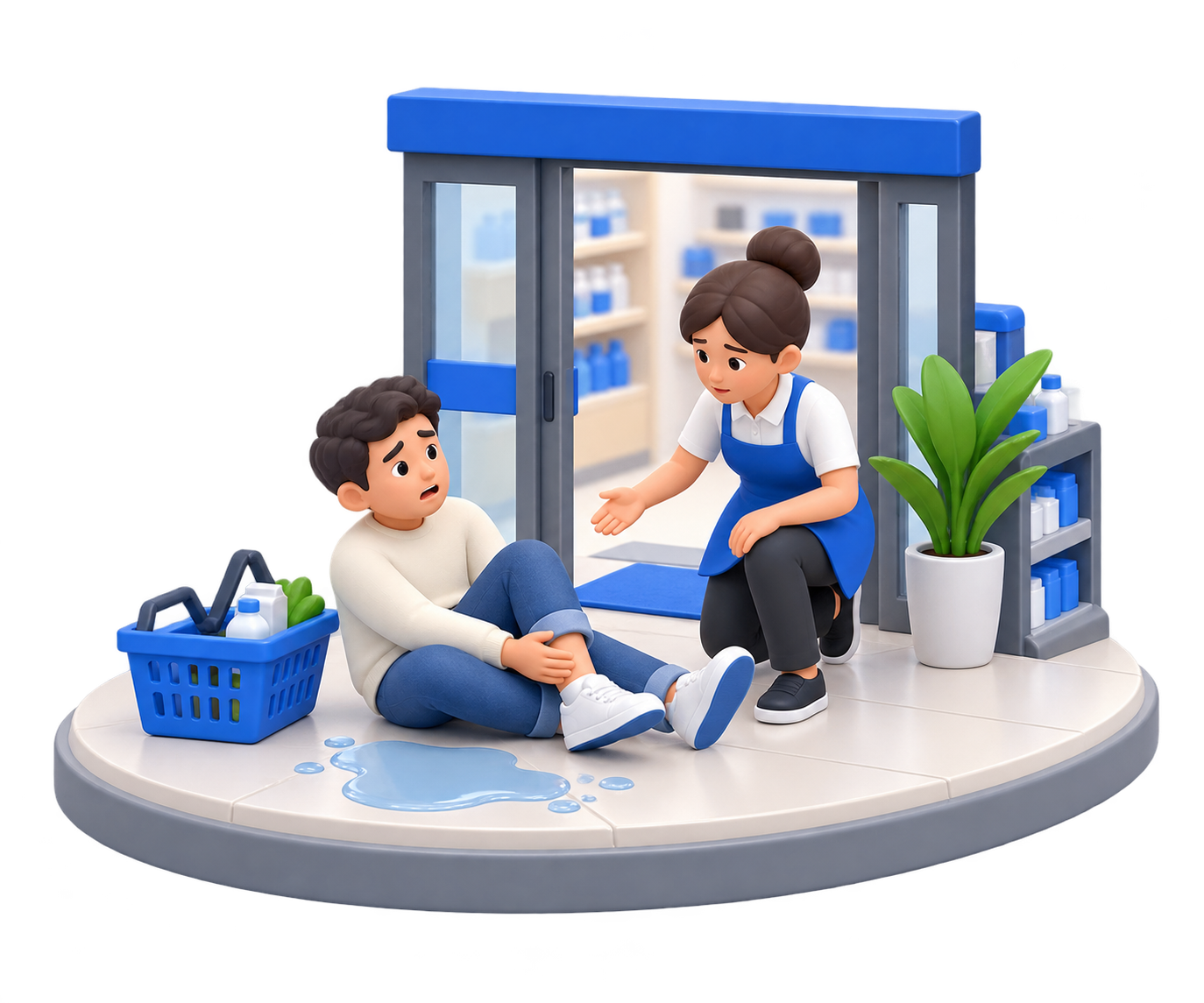
A shop employee assisting a customer after a slip

A customer alleges an injury

Scenario: Someone alleges an injury arose from the business operations.

What happens next: Preserve incident records and notify the insurer. Declared activities, liability wording and the facts determine whether a policy responds.

Illustration: equipment is damaged

Equipment is damaged

Scenario: Equipment used by the business is damaged or stolen.

What happens next: Document ownership, location and cause. Ask the insurer to review the insured property, exclusions, valuation and deductible.

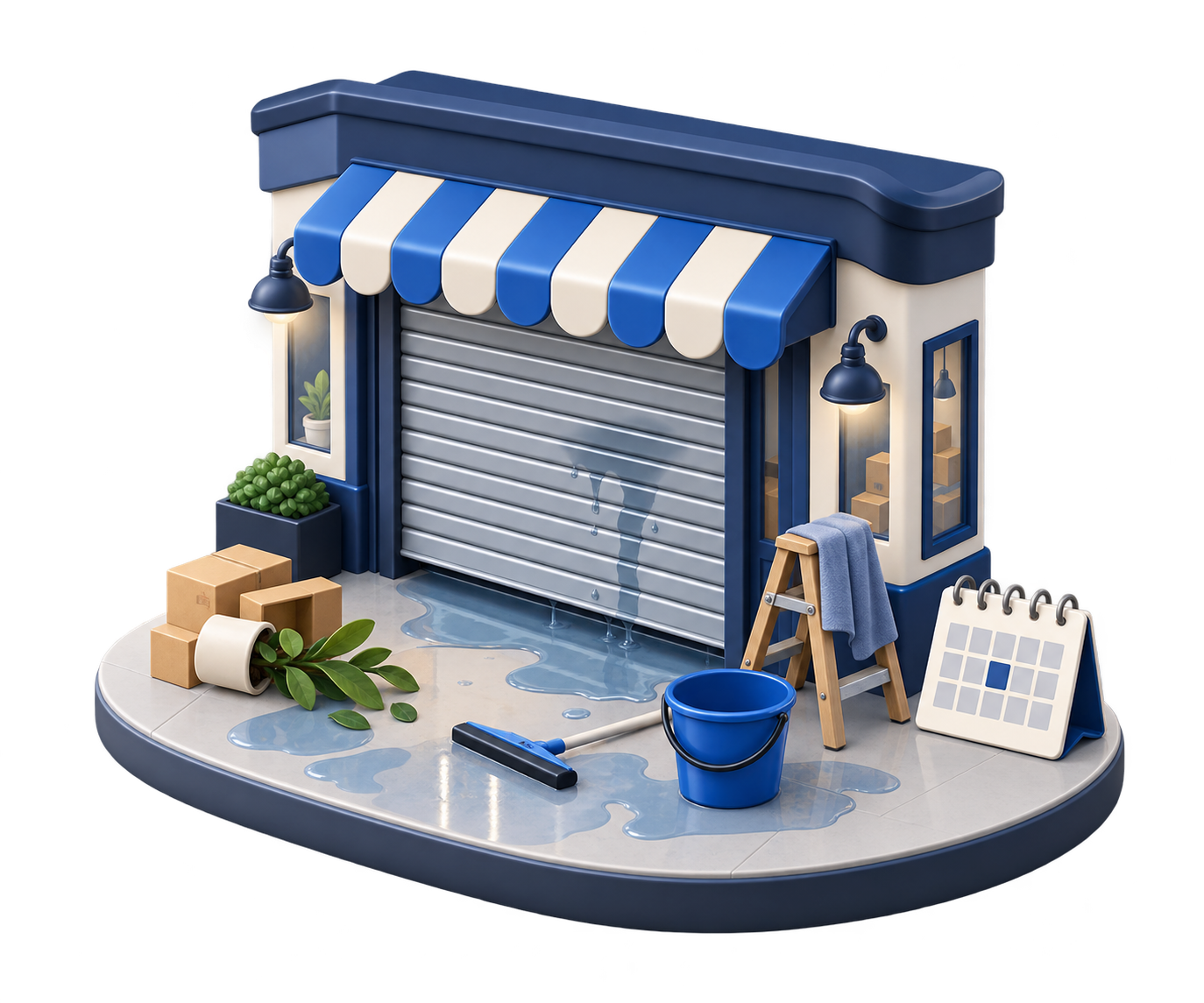
Illustration: operations are interrupted

Operations are interrupted

Scenario: Damage prevents the business from operating normally.

What happens next: Keep revenue and expense records. Business interruption depends on the insured trigger, selected coverage and applicable terms.

Actual outcomes depend on the facts and applicable wording. Read claims guidance · Ask about the next step