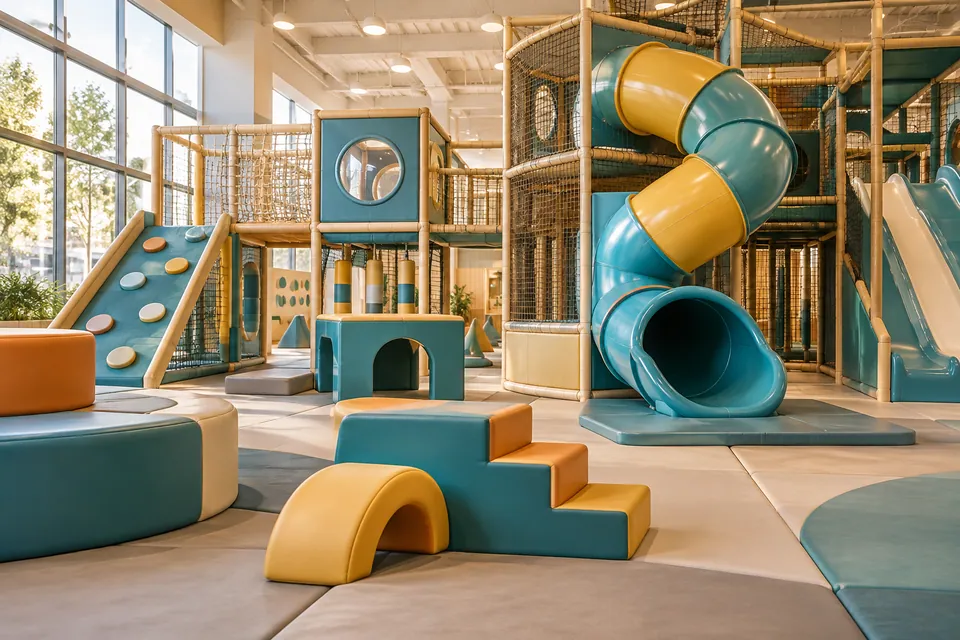
Operating an indoor playground in Canada offers children a safe and enjoyable environment to play, regardless of the weather. However, as a business owner, it's essential to understand the unique risks associated with such facilities. Accidents can happen, equipment can malfunction, and unforeseen events can disrupt operations. Having the right insurance coverage is crucial to protect your business from potential financial losses. This guide will walk you through the essentials of Indoor Playground Insurance, covering the types of coverage available, associated costs, and best practices to ensure your business remains secure and thriving.
What is Indoor Playground Insurance?
Indoor playground insurance describes a selection of business coverages for an indoor play operation, rather than one standard policy. The accepted attractions, limits, conditions and exclusions must be confirmed in the actual proposal and policy.

Who Needs Indoor Playground Insurance?
If you own or manage any of the following types of businesses, Indoor Playground Insurance is essential:
- Indoor play centers
- Play cafes
- Trampoline parks
- Soft play centers
- Any facility offering indoor recreational activities for children
Risks Associated with Running an Indoor Playground
Operating an indoor playground comes with several inherent risks, including:
- Accidental Injuries: Children may slip, trip, or fall, leading to injuries.
- Equipment Malfunctions: Play equipment can break or malfunction, posing safety hazards.
- Property Damage: Incidents like fires, floods, or vandalism can damage your facility and equipment.
- Legal Liabilities: Parents or guardians might file lawsuits alleging negligence if their child is injured.
Ask which parts of a proposal respond to third-party liability, physical damage, interruption and other identified exposures. A coverage label alone does not confirm payment for a particular incident.
Common Risks Indoor Playgrounds Face and How Insurance Protects You
Operating an indoor playground provides a fun and safe environment for children, but it's essential to be aware of potential risks that could affect your business. Understanding these risks and knowing how Indoor Playground Insurance can protect you is necessary.
Common Risks:
- Accidental Injuries: Children can sometimes get hurt while playing, such as slipping, tripping, or falling. These incidents can lead to injuries like bruises, sprains, or fractures.
- Equipment Malfunctions: Play equipment can wear out or break over time. If it fails, children could be injured.
- Property Damage: Unexpected events, such as fires, floods, or vandalism, can damage your facility and equipment, requiring costly repairs or replacements.
- Legal Liabilities: If a child is injured at your facility, their parents might claim that your business was negligent, potentially leading to legal action.
How Insurance Protects You:
- General liability: Ask how the policy treats a third-party injury allegation, defence costs and any separate medical-payments provision. A child’s injury does not automatically establish coverage or legal liability.
- Property: Confirm the insured property, causes of loss, limits, valuation basis and deductible for damage to the facility or equipment.
- Business interruption: Check the required insured event, waiting period, indemnity period and financial records needed for a claim. Not every closure is insured.
- Equipment breakdown: Ask which equipment and types of breakdown are included, and review maintenance, wear-and-tear and other exclusions.
By having the appropriate insurance coverage, you can protect your business from these common risks and ensure that your indoor playground remains a safe and enjoyable place for children.
Key Types of Indoor Playground Insurance Coverage
To safeguard your indoor playground business in Canada, it's essential to understand the various insurance coverages available. Each type of insurance addresses specific risks associated with operating an indoor play facility.
General Liability Insurance
Ask the licensed professional to explain the commercial general liability terms, including insured operations, exclusions, defence provisions and limits. Do not assume every visitor injury or medical bill is covered.
Property Insurance
Review which buildings, tenant improvements, equipment and stock are insured. Compare covered causes, limits, valuation and deductibles before relying on a property proposal.
Business Interruption Insurance
Business interruption cover responds according to its defined insured event and policy conditions. Ask how the waiting period, indemnity period and calculation of loss apply to your facility.
Equipment Breakdown Insurance
Check whether equipment breakdown is included or separately available. Identify the insured equipment and covered failure events; routine maintenance and every heating-system failure should not be assumed covered.
Cyber Liability Insurance
For online bookings or stored customer data, ask which cyber incidents, response services and costs a proposal includes. Check exclusions, limits and reporting requirements.
Workers’ Compensation Insurance
Confirm employee coverage and registration obligations with the workers’ compensation authority for the province where people work. Ontario’s WSIB registration guidance explains that obligations depend on the business activity and workforce.
Use the coverage discussion to identify gaps and questions. Neither a package name nor a generic checklist confirms protection for a specific loss.
How Much Does Indoor Playground Insurance Cost in Canada?
Understanding the costs associated with Indoor Playground Insurance is crucial for effective financial planning. Several factors influence the premiums you'll pay to protect your business.
Get Pricing for Your Actual Operation
- No verified Canadian average premium is provided here. Request pricing based on your address, attractions, visitor numbers, revenue, loss history and required coverage. Compare the full annual cost, limits, deductibles and exclusions rather than relying on a headline monthly estimate.
Factors Influencing Insurance Costs:
- Facility details: Provide accurate floor area, capacity, attendance and operating hours for the insurer’s review.
- Equipment: Describe each attraction and ask which activities are accepted, excluded or subject to conditions.
- Location: Supply the actual address, construction and protection details; an urban or rural label does not determine the price.
- Safety measures: Share relevant inspection, maintenance and training records. Ask how the insurer considers them without assuming a discount.
- Claims history: Disclose the requested history and corrective action. The effect on available terms is specific to the insurer and circumstances.
Tips for Managing Insurance Costs:
- Safety practices: Keep equipment maintenance and staff training current. Ask about any applicable underwriting requirements.
- Shop Around: Obtain quotes from multiple insurers to compare coverage options and pricing.
- Package options: If combined coverages are offered, compare the complete terms and annual cost with separate options. A discount is not automatic.
- Review Coverage Annually: Regularly assess your insurance needs to ensure you're not over-insured or under-insured, adjusting your policy as necessary.
A useful budget starts with actual proposals for the same operation and coverage needs. Review material differences with the licensed professional.
Why Some Indoor Playgrounds Pay Higher Insurance Premiums
Insurance premiums for indoor playgrounds can vary significantly based on several factors. Understanding these elements can help you identify areas where you can reduce costs.
Factors Leading to Higher Premiums:
- High-Risk Equipment: Incorporating equipment such as trampolines, climbing walls, or zip lines can increase the risk of injuries, leading to higher insurance costs.
- Lack of Safety Measures: Insurers view facilities without adequate safety protocols, such as regular equipment inspections, proper padding, and clear safety signage, as a higher risk.
- Poor Maintenance Practices: Neglecting routine maintenance can result in equipment failures and accidents, increasing the likelihood of claims.
- Inadequate Staff Training: Staff not properly trained in safety procedures and emergency response can contribute to a higher-risk environment.
- Previous Claims History: A history of frequent or severe insurance claims indicates higher risk, which can lead to increased premiums.
Strategies to Mitigate High Premiums:
- Implement Comprehensive Safety Protocols: Develop and enforce strict safety guidelines to minimize accidents.
- Regular Equipment Maintenance: Schedule routine inspections and maintenance to ensure all equipment is in safe working condition.
- Invest in Staff Training: Provide thorough safety procedures and emergency response training.
- Maintain Detailed Records: Accurately record maintenance, inspections, and incident reports to demonstrate proactive risk management to insurers.
Addressing these factors can create a safer environment and potentially lower your insurance premiums.
How to Lower Your Indoor Playground Insurance Costs
Review the information and terms behind each proposal. The steps below support comparison and risk management; they do not promise a lower premium.
Enhance Safety Measures
- Regular Equipment Maintenance: Conduct routine inspections and maintenance of all play equipment to ensure they are in good working condition. This proactive approach minimizes the risk of accidents and demonstrates to insurers that you prioritize safety.
- Staff Training: Provide comprehensive training for your staff on safety protocols, emergency procedures, and proper supervision techniques. Well-trained staff can prevent accidents and respond effectively if incidents occur.
- Safety Signage: Display safety rules and guidelines throughout your facility to inform visitors of proper behaviour and equipment usage.
Implement Risk Management Practices
- Participation documents: Ask a lawyer to review any waiver and its use with children and parents in the relevant province. Do not assume it removes liability or replaces insurance.
- Incident Documentation: Maintain detailed records of incidents or injuries, including the circumstances and responses. This documentation can be valuable during insurance evaluations and claims processes.
Choose the Right Insurance Coverage
- Assess Your Needs: Carefully evaluate your facility's specific risks and select insurance coverage that aligns with those needs. You can avoid over-insuring or under-insuring by tailoring your policy to your operations.
- Package options: Compare combined and separate proposals, including limits, exclusions, deductibles and total annual cost.
Shop Around for Insurance Providers
- Compare Quotes: Contact multiple insurance providers to obtain quotes and compare coverage options. This process can help you find the most cost-effective policy that meets your needs.
- Broker discussion: Ask what experience and market access the licensed broker has for your attractions, and how proposed terms differ.
Maintain a Good Claims History
- Incident prevention and reporting: Address hazards and keep accurate records. Follow policy reporting requirements; do not delay reporting an incident or claim merely to seek a lower premium.
Use the resulting information to compare actual insurer proposals. Safety work and a favourable claims history do not guarantee a particular price.
Legal Requirements for Indoor Playground Insurance in Canada
Check your operating permissions, lease, lender conditions and applicable provincial and municipal requirements before opening or changing activities. The requirements must be assessed for the actual business.
Is Insurance Legally Required for Indoor Playgrounds?
This guide does not establish a Canada-wide rule requiring a particular indoor playground policy. Confirm any legal, permit and contractual insurance requirements for your location with the relevant authority and qualified advisers.
Location-Specific Checks to Make
- Ontario: Ask how premises duties, local approvals and other relevant requirements apply. The Occupiers’ Liability Act addresses reasonable care in the circumstances; it does not prescribe one insurance package for every playground.
- British Columbia: Confirm the approvals, inspections and operating requirements that apply to the specific attractions and municipality with the relevant authorities.
- Alberta: Check applicable health, building, fire and local operating requirements for the facility and any food-service activity.
- Quebec: Obtain advice on the civil-liability, operating and contractual requirements relevant to the business; do not infer the outcome of an injury claim from a general summary.
Liability Considerations for Indoor Play Centers
- Premises liability: Ask how allegations of injury or property damage would be reported and assessed under the proposed policy. Liability and coverage depend on the facts and terms.
- Waivers and participation terms: Have the wording and process reviewed by a lawyer. Do not treat a signed document as a substitute for safety procedures or suitable insurance.
- Employees: Confirm registration and coverage obligations with the applicable provincial workers’ compensation authority.
Compliance Tips for Indoor Playground Owners
- Keep detailed maintenance records to show proof of regular equipment inspections.
- Equipment standards: Identify the appropriate standard for each attraction with the manufacturer or a competent inspector. ASTM F1918 concerns soft contained play equipment; a general playground standard should not be assumed to cover every installation.
- Post clear safety rules for customers to follow, reducing the risk of accidents.
- Professional review: Use licensed insurance advice for coverage questions and legal or regulatory advice for the operating requirements; one does not replace the other.
By understanding the legal landscape and ensuring compliance, you can protect your business and maintain a safe play environment for children.
The Role of Waivers and Disclaimers in Indoor Playground Liability
Participation terms and waivers need a legal review tailored to the activity and jurisdiction. They are separate from the insurance assessment and should not be treated as a guarantee against claims.
What is a Liability Waiver?
A waiver is a document intended to address specified risks and potential legal rights. Its wording, presentation and enforceability require legal advice, especially where children participate.
Are Liability Waivers Enforceable in Canada?
- Ask a lawyer whether the proposed wording and acceptance process are effective for the province and activities involved.
- Explain who participates and who signs, including any parent or guardian, so the legal review addresses the actual circumstances.
- Do not assume a waiver prevents a claim alleging negligent supervision, an equipment defect or an unsafe condition.
Best Practices for Using Liability Waivers in Your Indoor Playground
- Make the waiver easy to read – Avoid complex legal jargon.
- Children and guardians: Obtain legal advice on the appropriate participation and consent process; do not assume a parent can waive every claim on a child’s behalf.
- Display waiver terms clearly at entry points and on your website.
- Include an acknowledgment of risks – Clearly state the potential dangers of play equipment.
- Keep digital or physical records of signed waivers for future reference.
Do You Still Need Insurance if You Have a Waiver?
A waiver does not establish insurance coverage. Ask a licensed professional to assess suitable protection separately from the lawyer’s review of participation documents.
- General liability: Review insured activities, exclusions, reporting obligations and how defence costs and limits apply.
- Property: Confirm insured equipment and property values, covered causes and deductibles.
- Business interruption: Check the insured-event requirements and the scope and period of any income protection.
Treat legal documents, operating safety and insurance as separate parts of the review. None guarantees the outcome of an incident or claim.
Comparing Indoor Playground Insurance Policies: What to Look For
Choosing the right Indoor Playground Insurance policy is essential for protecting your business. Not all policies offer the same coverage, so it's necessary to compare options.
Key Factors to Consider When Comparing Policies
- Coverage limits: Ask the licensed professional to assess limits against your activities and contractual requirements. A generic dollar amount is not a recommendation for every facility.
- Policy exclusions and conditions: Obtain written confirmation of accepted attractions, age ranges, attendance and supervision requirements. Ask how a proposed change in operations could affect the policy.
- Types of Coverage Included
- Does the policy include Indoor Play Center Liability Insurance for accidents and injuries?
- Is Property Insurance included to protect your facility from fire, theft, or vandalism?
- Are Business Interruption Insurance and Equipment Breakdown Insurance covered in case of unexpected closures?
- Cost vs. Coverage
- A cheaper policy may have higher deductibles or lower coverage limits, making it less effective in an actual claim.
- Consider the indoor playground insurance cost versus the potential risks of being underinsured.
- Reputation of the Insurance Provider
- Work with an insurer that has experience with Recreational Business Insurance Canada.
- Look for reviews or ask for references from other indoor playground owners.
- Claims process and contacts: Ask how to report an incident, what information is required and which organization will handle it. Confirm any after-hours reporting service directly with that provider.
Should You Work with an Insurance Broker?
An insurance broker can:
- Compare available proposals and explain the differences in price and coverage.
- Help you customize your coverage to match your business’s specific needs.
- Explain fine print and exclusions so you fully understand what you're getting.
Review Your Policy Annually
- Your insurance needs may change as your business grows or adds new attractions.
- Ensure your policy remains current and provides the right level of protection.
By carefully evaluating your options, you can secure Playground Equipment Insurance Canada that meets your needs and budget.
How to Choose the Right Insurance Provider for Your Indoor Playground
Choose a licensed organization with relevant experience and discuss its actual service arrangements. Review the proposed policy and claims contacts before deciding.
Look for Experience in Recreational Business Insurance
- Not all insurers specialize in Recreational Business Insurance Canada.
- Choose a provider that understands the risks associated with indoor playgrounds.
- Ask if they have existing clients in the indoor playground industry.
Compare Coverage Options
- Ensure they offer General Liability Insurance for Indoor Playgrounds, Property Insurance, and Business Interruption Insurance.
- Ask about Playground Equipment Insurance Canada to cover high-value assets.
- If you handle online bookings or customer data, look for Cyber Liability Insurance.
Check Their Claims Process
- Find out how easy it is to file a claim—some insurers have extended processing times or complex requirements.
- Ask about claim response times—how quickly will they handle incidents?
- Read customer reviews to see how past clients have experienced the claims process.
Look for Customizable Policies
- Some insurers offer one-size-fits-all policies, which may include coverage you don’t need or exclude coverage you do need.
- Make sure they can tailor the policy to your business’s unique risks.
Compare Indoor Playground Insurance Costs
- The cheapest policy isn’t always the best—look for a balance between affordability and adequate coverage.
- Ask whether any documented safety measure affects the actual quotation; do not assume an advertised discount applies.
- Compare combined and separate coverage proposals using the full annual cost and terms.
Verify Licensing and Reputation
- Verify the organization’s licence or authorization for the relevant province and activity using the appropriate regulator’s directory.
- Check online reviews, testimonials, and Better Business Bureau (BBB) ratings.
Work with an Insurance Broker
- A broker can compare multiple providers on your behalf.
- They help you understand policy details and exclusions.
- Ask what assistance the broker provides with reporting and following up on claims; the insurer’s assessment remains subject to the policy.
Assess the available terms, total annual cost, licensing and service arrangements. Obtain answers to material questions before you accept a proposal.
What to Do If You Need to File an Insurance Claim
Accidents and unexpected events can happen at any time in an indoor playground. Knowing the proper steps to take when filing a claim under your Indoor Playground Insurance policy can help ensure a smooth and efficient process.
Step 1: Ensure Immediate Safety
- If an injury occurs, provide first aid immediately and contact emergency services if necessary.
- Secure the area to prevent further incidents—this may involve closing off specific play structures.
Step 2: Document the Incident
- Write a detailed report with:
- Date and time of the incident
- Names and contact details of those involved
- Description of the accident or damage
- Preserve relevant records and, where appropriate, photographs of the scene or damaged equipment. Handle personal or medical information through the insurer’s approved process.
Step 3: Gather Witness Statements
- Get written statements from staff, parents, or other visitors who saw the incident, if possible.
- Include their contact information in case your insurer needs further details.
Step 4: Notify Your Insurance Provider
- Contact your Indoor Play Center Liability Insurance provider as soon as possible.
- Ask which records the insurer needs and use its approved channel for incident reports, photographs and any sensitive information.
- Ask about the claim process timeline and what additional information they may need.
Step 5: Cooperate with the Insurance Adjuster
- Your insurance company may send an adjuster to investigate the claim.
- Be honest and transparent—provide all necessary documents and answer any questions they may have.
Step 6: Follow Up on Your Claim
- Regularly check the status of your claim with the insurance provider.
- If additional documentation is required, provide it promptly to avoid delays.
Step 7: Learn from the Incident
- After resolving the claim, review what happened and take steps to improve safety measures.
- If possible, update training procedures for staff to help prevent similar incidents in the future.
How Insurance Helps You Recover
- General liability: The insurer assesses a reported allegation under the actual coverage, exclusions, conditions and limits.
- Equipment and property: Check which damaged items and causes are included and how valuation and deductibles apply.
- Business interruption: Check whether the cause of the closure satisfies the insured trigger and other conditions.
Keep maintenance, inspection and incident records organized so they can be provided when requested. Complete records do not guarantee a claim outcome or processing time.
FAQ – Indoor Playground Insurance in Canada
Here are answers to some of the most frequently asked questions about Indoor Playground Insurance Canada.
1. Is Indoor Playground Insurance mandatory in Canada?
Requirements depend on the operation, location, permits and contracts. Ask the relevant authority and qualified advisers what applies to your business rather than assuming a uniform Canadian insurance mandate.
2. How much does Indoor Playground Insurance cost in Canada?
There is no verified average premium in this guide. Pricing requires an assessment of the facility, attractions, visitor volumes, revenue, loss history and proposed coverage. Compare actual annual quotations with their limits, deductibles, exclusions, taxes and fees.
3. Does insurance cover injuries caused by a child's actions?
Do not assume an injury is covered simply because it happens at the facility. Ask how liability allegations and any separate medical-payments provision are treated; the insurer assesses each matter under the actual policy.
4. Can I reduce my insurance costs?
You can review actual alternatives and risk controls, but no particular saving is guaranteed. Prepare the following for the renewal discussion:
- Implement strict safety protocols and regular equipment maintenance.
- Train staff on emergency response and risk management.
- Maintain a low claims history by preventing accidents.
- Compare any package option with separate proposals using equivalent coverage and the full annual cost. Related guide: Business Insurance Canada.
5. What happens if I don't have insurance and an accident occurs?
An uninsured incident may leave the business to fund its own response, defence and any amounts owed. Whether an owner has personal liability requires legal advice on the facts and business structure.
6. Are inflatable bounce houses and trampolines covered?
Some Playground Equipment Insurance Canada policies exclude high-risk attractions like trampolines and inflatables. Check your policy for exclusions or opt for specialized coverage.
7. What is the best type of insurance for an indoor playground?
Start with an assessment of your activities, property, contracts and interruption exposure. Ask about general liability, commercial property, business interruption and equipment breakdown, plus other relevant risks. The right combination and limits depend on the actual terms available.
8. Do waivers protect my business from liability?
A waiver’s effect requires legal advice for the facts and jurisdiction, particularly where children are involved. It does not establish insurance coverage or replace safe operations.
9. Can I customize my insurance policy?
Ask which coverage options and endorsements are available for your actual attractions. Any changes must be accepted by the insurer and documented in the policy.
10. How do I get a quote for Indoor Playground Insurance?
You can request a personalized quote from insurance providers specializing in Recreational Business Insurance Canada. Provide details about your business, including:
Facility size and type of attractions
Number of visitors per day
Past claims history
Safety measures in place
This information will help insurers provide the most accurate pricing for your needs.
Protect Your Indoor Playground with the Right Insurance
Running an indoor playground is rewarding, but it comes with risks. From accidental injuries to property damage and unexpected closures, Indoor Playground Insurance Canada is essential for keeping your business safe. This guide has covered the types of coverage available, cost factors, legal requirements, and risk management strategies to help you make informed decisions.
Insurance Genie provides general information and enquiry routes. Participating, appropriately licensed organizations handle advice, quotations and policy placement, subject to availability and underwriting.
Prepare your current policy, equipment schedule and operational details before starting an enquiry. Related guide: quote today.
Use our contact options to ask about the next step. For an incident or urgent claim, use the insurer or licensed organization’s reporting instructions in your existing policy.